Three giants in a spaceship: Le Guin Prize honors Pip Adam’s unsettling imagination
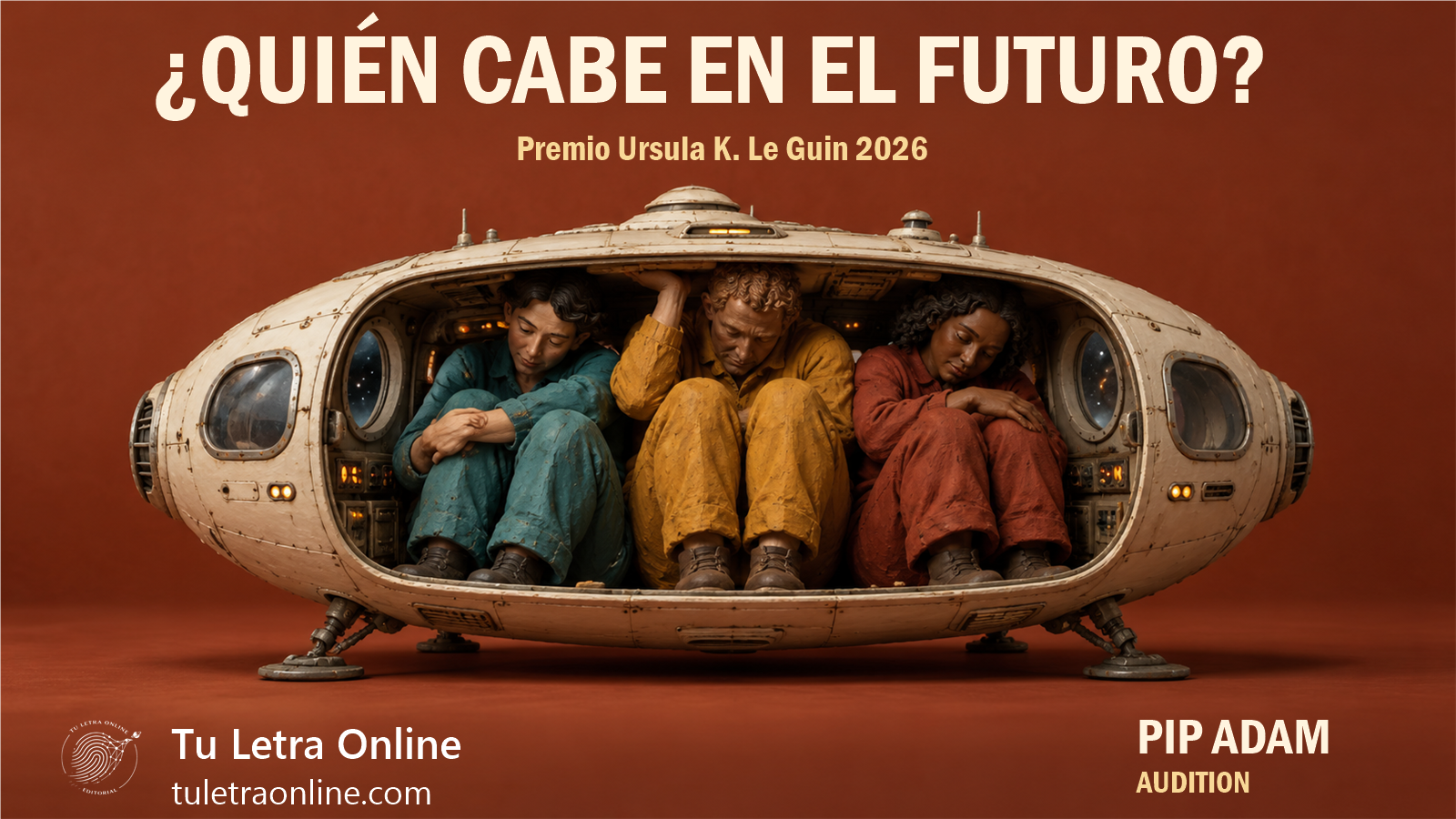
The author of Audition wins the 2026 Ursula K. Le Guin Prize. Confinement, memory and the possibility of another life lie at the heart of the novel’s central question: what happens when someone takes up more space than the world is willing to give them?
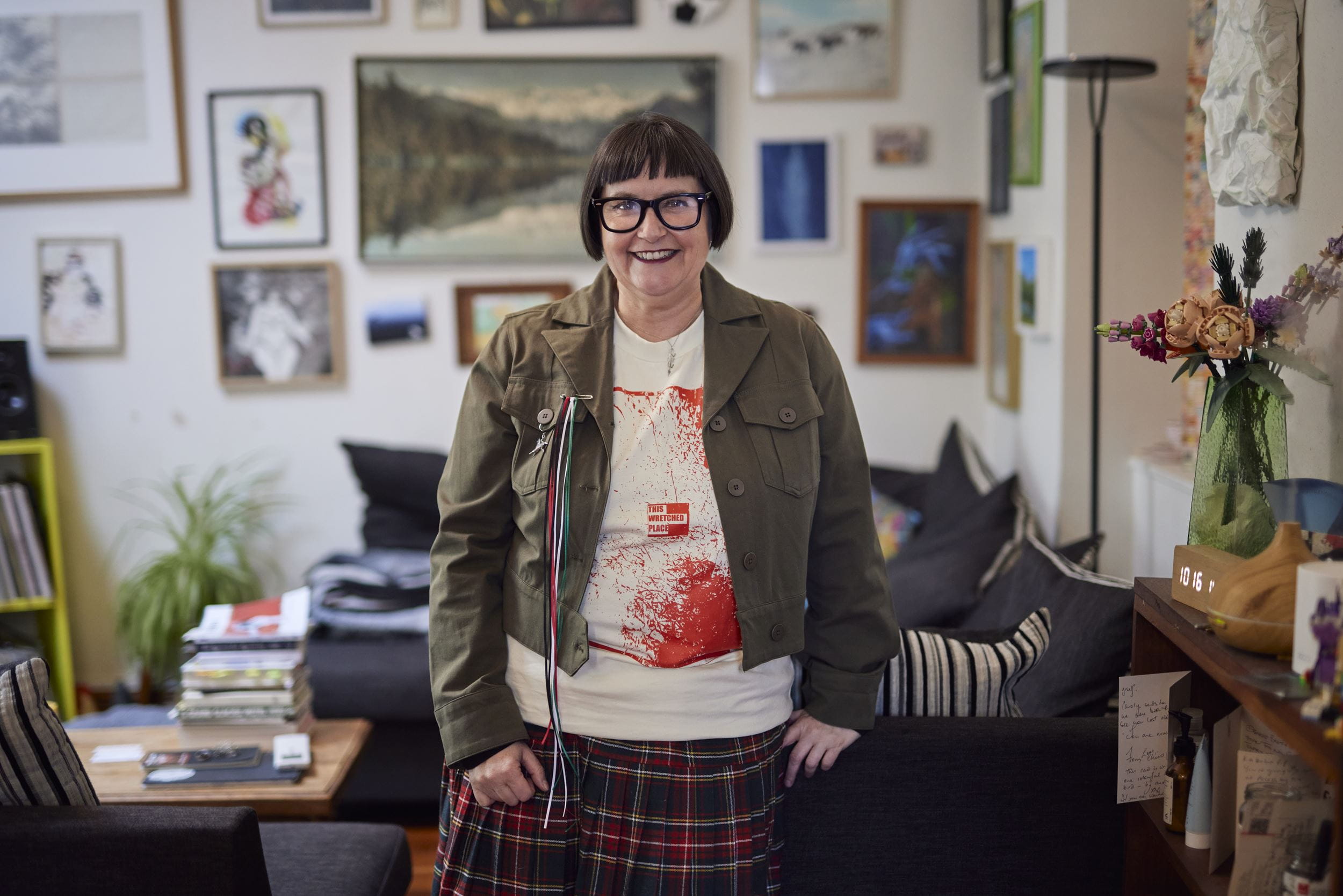
Three giants are crammed into a spaceship. Their names are Alba, Stanley and Drew. As long as they talk, the ship moves forward; when they fall silent, their bodies begin to grow again. That’s where Audition begins, according to the description from Coffee House Press. Before they can imagine where they’re going, the characters have a more urgent problem: how to go on existing in the space they’re confined to.
Today, October 21, the Ursula K. Le Guin Foundation announced that Pip Adam has won its 2026 Prize for Fiction for this novel. The award comes with $25,000. The official announcement places the book within a literary tradition of imagining alternatives to the ways we live. Literary Hub has also reported the news.
When the body no longer fits
The premise raises a question that reaches well beyond space travel: if someone can’t fit into the place they’ve been assigned, where does the problem lie? With their body, their needs, the shape of the container?
The publisher’s description explains that, as the characters talk, they recover shared memories of imprisonment, violence and losing control over their lives. Coffee House Press describes the work as a blend of science fiction and social realism. The US edition was published on June 10, 2025. Today’s prize recognizes a book that has already been out in the world for some time, not one released this week. More about Audition.
Our discussion draws on the announcement, the publisher’s information, an interview with the author and published criticism. It isn’t based on a full reading of the novel. What interests us in these sources is how an impossible situation can bring us closer to recognizable experiences. The size of the bodies, the space available and the need to speak bring into focus a tension that abstract language can sometimes leave remote.
A story has to find its shape
Writers may find something particularly useful in Adam’s account of how she thinks about structure. In a 2023 interview with Jo Randerson, published in The Spinoff, she linked this to her experience as a hairdresser. She thinks of stories as three-dimensional shapes whose parts affect one another.
While working on Audition, she used sticky notes, a whiteboard and small objects she could move around on a table. She also explained that she began arranging the story only after writing a first draft in which she told it to herself. Structure emerged from listening to what the story needed and recognizing its patterns.
That image of work in progress matters. Move one object and its relationship to the others changes; move one scene and the meaning of an entire book can shift. For our community of writers, this suggests something practical to try: rearranging scenes, voices or timelines when a familiar form leaves out something essential. Experiment can begin with a very specific need within the story.
Speaking can change confinement, too
The prize’s judges, Nicola Griffith, Mat Johnson, Fonda Lee, Darcie Little Badger and Peter Rock, singled out the narrative structure and Adam’s ability to turn metaphor into tangible reality. Their assessment touches on the prison system, dehumanization, memory and forgiveness as a way forward. This is the judges’ reading, as set out in the Foundation’s announcement.
A review published before the award offers another way into the book. Writing for ZYZZYVA in May 2025, Annie Delmedico focuses on voice and listening. Conversation plays a part both in how control is exercised and in restoring the bond between the characters. Her interpretation gives us a way to discuss the book beyond the recognition it has just received.
For us, that raises a question worth asking about fiction: what changes when characters who have been defined by others begin to listen to one another? A voice can obey, repeat or feel its way toward an idea that isn’t yet fully formed. Much of what makes telling a story compelling lies in that difference. So does much of what makes it worth reading without demanding immediate answers.
The work of imagining hope
The Le Guin Prize’s guidelines include hope, equity, freedom, nonviolence and the search for alternatives to conflict. Readers can nominate books, while a panel of authors makes the final choice. These criteria explain what the prize seeks to recognize. Each reader must then weigh them against their own experience of the book.
At Tu Letra Online, we’re drawn to that invitation to expand what we can imagine. Fiction can build a strange situation with enough precision to make us stop and look at something we’d accepted as inevitable. Three bodies growing inside a spaceship make for an unsettling beginning. To follow them is to ask how much of that confinement we already know.
Which speculative novel has helped you see a familiar reality differently? When does an unusual structure enrich your reading, and when does it keep you at a distance? What do you hope for from a story that sets out to imagine hope? Share what you’ve read, make your case and disagree respectfully.
As an Amazon Associate, the publisher earns from qualifying purchases. It costs you nothing extra.
- Pip Adam
- Audition
- Ursula K. Le Guin
- ciencia ficción
- premios literarios
- escritura creativa
- narrativa.