Who opens doors abroad for women writers?
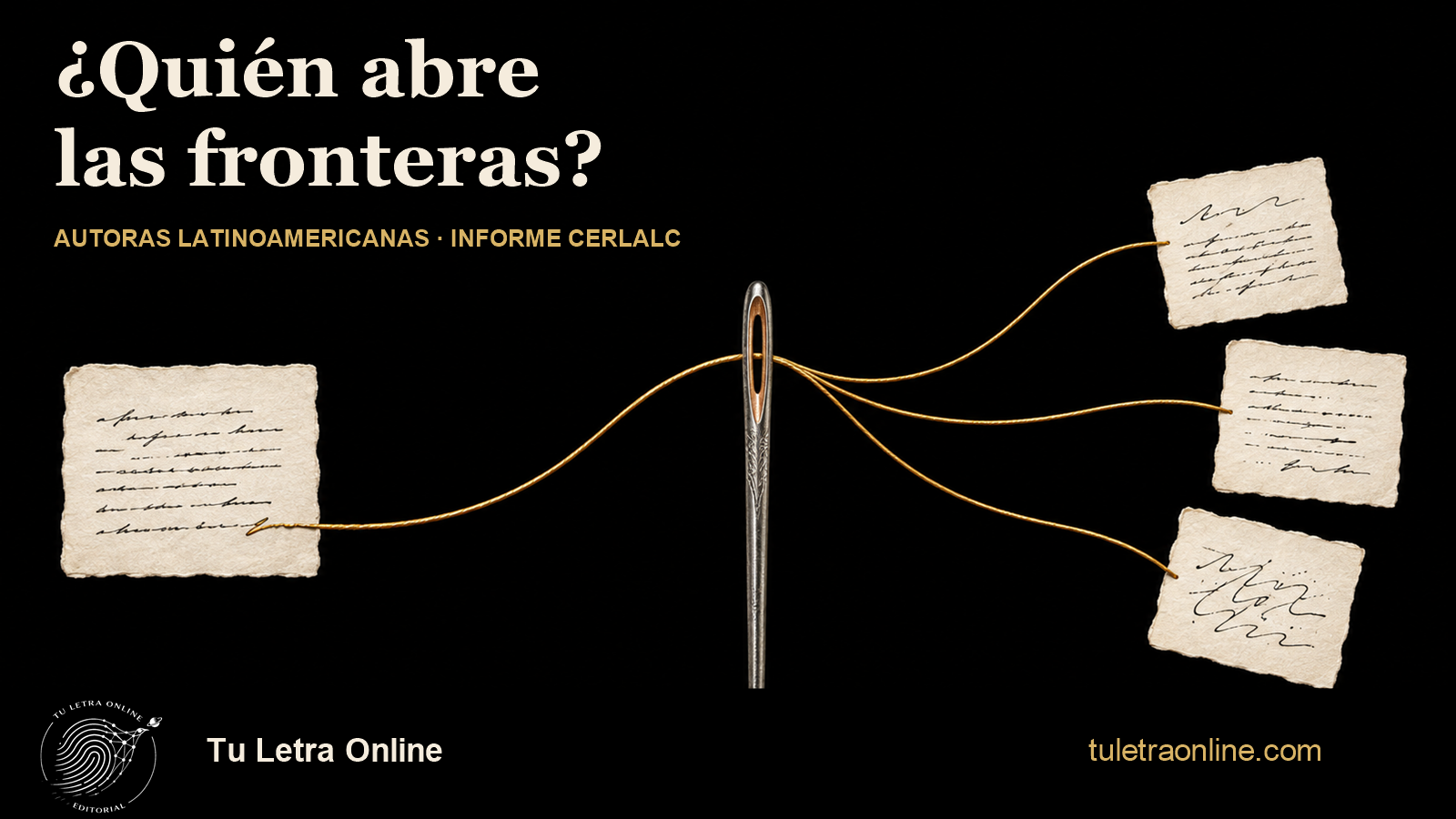
A CERLALC study looks behind the international recognition of Latin American women fiction writers. Its findings raise questions about who finds an open door, who helps them through it, and what happens to the voices still missing from the map.
A writer can finish a book without knowing where it will end up. She hands it in, publishes it, launches it. Then another kind of work begins, less visible than the writing: persuading someone in another country to take a chance on those pages. Between a work and its potential readers stand decisions, contracts, translations and people. The journey, too, needs someone to make it possible.
That stretch deserves attention now, when there's so much talk of international recognition for Latin American women writers. It's right to celebrate the names that travel far. Asking what makes those journeys possible may be even more useful to writers trying to set out.
Martín Gómez's report Latin American Women Fiction Writers Abroad: The Current Landscape, published by CERLALC in September 2026, offers a starting point for that discussion. The research had already prompted a conversation at the Madrid Book Fair on 3 June. Recent coverage, including an article in Publishers Weekly España on 13 October, brings the subject back into publishing discussions. We should distinguish the timing of that coverage from the date of the study. Original report, Madrid programme and PWES article.
A few writers' journeys don't tell everyone's story
The report finds that more than half the authors in its records have work published in between one and three countries, and close to a third in just one. It places around 77% at an early stage of reaching international markets. These findings apply to the authors studied, not to all Latin American women writers. Report, pp. 26–27.
That distinction matters. A foreign edition or a prize can put an individual career in the spotlight. To assess the opportunities available to a literary community, we also need to ask how widely those opportunities extend and who manages to sustain them. The prominence of some authors doesn't, on its own, answer that question.
The official dashboard records 214 authors, 854 publishers and 1,699 links between them, with publishers based in 66 countries. Ranked by the number of authors published, Spain leads with 158, followed by the United States with 103 and Italy with 80. These figures show publishing presence within the records, not copies sold, income earned or actual readers. CERLALC dashboard.
Nor should we confuse imprints with publishing groups: the dashboard lists imprints and territorial subsidiaries separately. Counting them reveals publishing connections; it doesn't tell us how many independent commercial decisions lie behind those connections.
Books need people to open doors
Gómez examines the work of independent publishers, literary agencies, large publishing groups and translation programmes. In discussing the relationship between representation and international reach, he explicitly warns that correlation doesn't mean direct causation: an agency can advance a career, and an established career can also attract an agency. Report, pp. 30–31.
For an author, that caution has practical implications. Finding representation isn't a guaranteed ticket into other markets. For a publisher, signing a promising name is no substitute for supporting that writer: negotiating rights clearly, preparing materials, finding the right contacts and sustaining interest once the initial excitement fades.
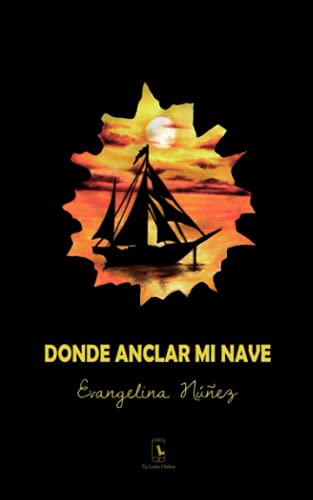
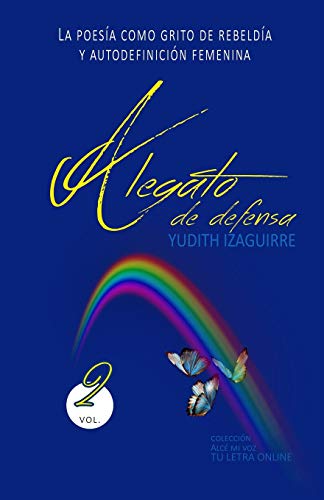
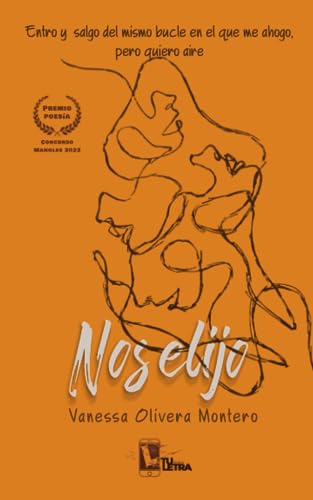
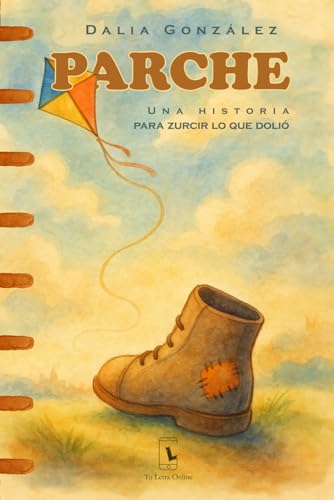
At Tu Letra Online, we want to discuss reaching readers abroad as a shared responsibility. How much of the work can an author take on, and how much falls to those of us who publish? The question takes us beyond recommending a social media presence and towards the practical work that gives a book a life beyond publication.
A map's limits matter too
The study defines its scope by country, literary genre and age: it covers women fiction writers born before the end of 1989 and explicitly excludes countries such as Cuba and Venezuela. The report itself proposes broadening that coverage. Absence from these records, then, doesn't prove that a writer's work hasn't travelled internationally. Report, p. 8.
The dashboard also starts with authors who have already been published outside their home country. It can't tell us what proportion of all women writers manage that first step. To answer that, we'd also need to know about those who haven't taken it and define a comparable population.
One discrepancy remains unexplained: the PDF mentions more than seventy countries and more than fifty languages; the dashboard we consulted shows 66 and 48, respectively. We keep each figure tied to its source rather than treating them as the same count. We found no explanation that would allow us to attribute the difference to a particular update.
Reading with these cautions in mind doesn't diminish the research. It helps us use it to ask better questions. Before turning a map into a ranking of literary merit, we should remember what it records: publishing opportunities and relationships. The quality of a work calls for a different conversation, one that begins when we open it.
The conversation we'd like to start
What practical support has helped your books, or those you publish, find readers in another country?
What responsibility should publishers, agents and institutions take for widening those opportunities?
Which voices and places do we need to include to understand better how our literature travels?
We invite you to share your experiences, make your case and disagree respectfully. We'd like to hear about both the routes that worked and the doors that remain closed.
Additional sources consulted for cross-checking: CERLALC's publication listing and coverage in Artículo 14, 29 September 2026. The figures were checked against the original sources; the analysis and questions are Tu Letra Online's own.
- CERLALC
- autoras latinoamericanas
- narrativa
- internacionalización
- edición independiente
- traducción
- agencias literarias.