New York welcomes books in Spanish: the challenge begins after the fair
FILNYC opens on October 21 with an invitation to think of language as common ground. For authors, readers and publishers, there's another question too: how to keep those connections alive once the program ends.
[image 1]
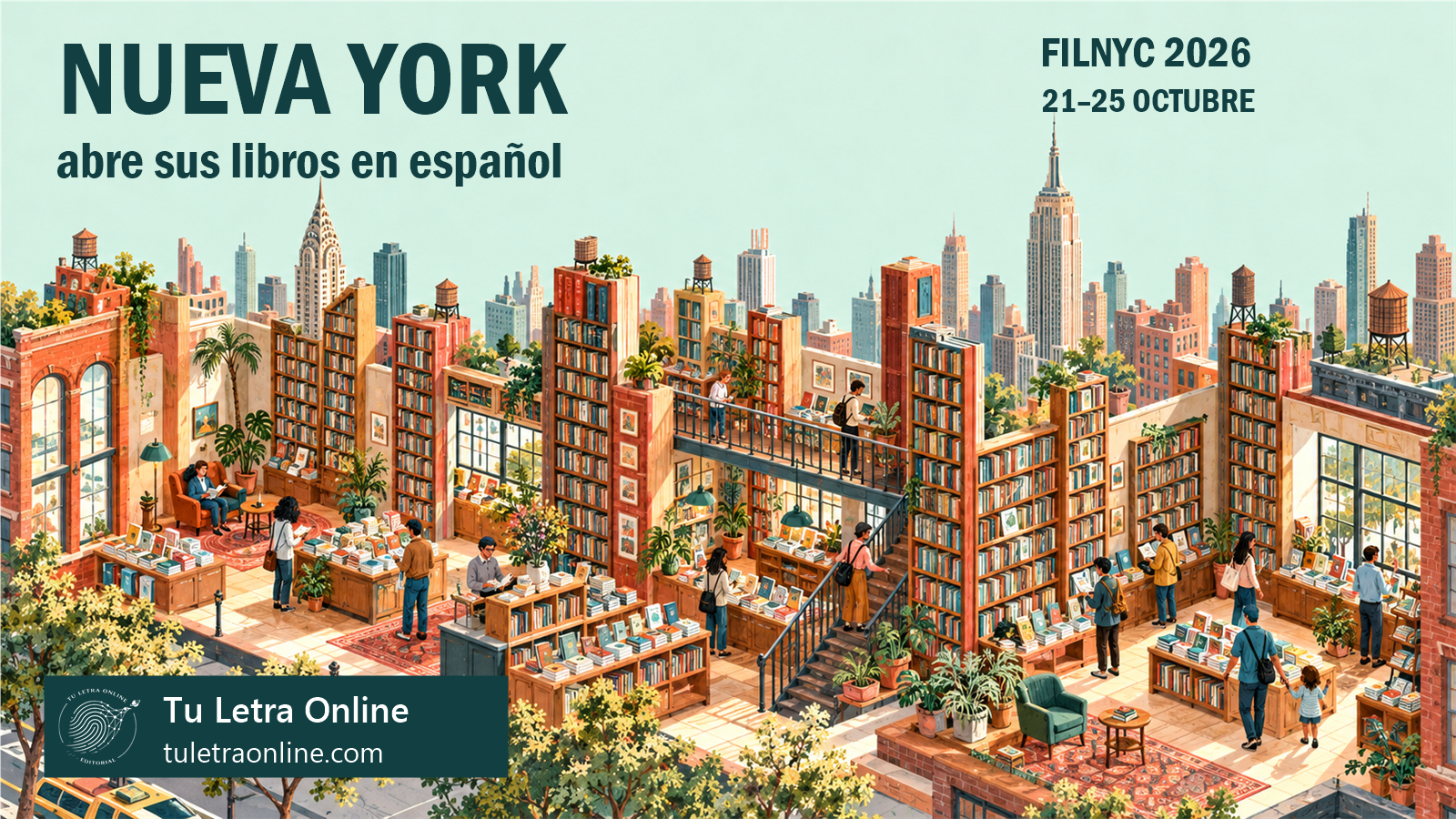
A conversation at a book table can lead to a purchase, a recommendation or the discovery of an author we'll return to for years. A small possibility, but one that can make all the difference. It's what makes a book fair matter. The eighth New York City International Book Fair (FILNYC) opens today, October 21, and runs through October 25, with John Jay College in Manhattan as its main venue. Organized by CUNY's Mexican Studies Institute, the fair is free and open to the public, according to its official website.
What makes this news worth our attention is not just who and what the fair brings together, but the question it raises: how can a few days of interest become a lasting relationship with books written in Spanish?
A language finds common ground in the city
This year's theme, “Language: The Sea We Are,” invites us to think about how language travels and brings people together. The organizers have arranged the program around four strands: geographies of salt, shores and cities, tides of the imagination, and thinking in archipelagos. Each opens up a conversation about literature that makes room for different places and experiences, as FILNYC explains.
As publishers, we find a fruitful idea in that approach: a shared language brings us together without requiring us all to write alike. Readers might discover a different cadence in Spanish, an unfamiliar word or a landscape they've never visited. Publishers also help readers find their way into unfamiliar work, offering context and caring for the work without erasing what makes it distinctive.
The scale of the program gives a sense of the fair's ambition. In her coverage today, journalist Ana Vidal Egea reports that there are 160 events, including workshops, conversations and sessions for publishing professionals. That figure comes from her report in EL PAÍS, which focuses on the fair's growth.
[image 2]
Lorca returns to New York; readers have a part to play too
The announced events include the fourth Lorca Evening, scheduled for Thursday, October 22, at New York's Instituto Cervantes, with David Uclés, Miguel Poveda and Àngels Gregori. The Ministry of Culture also announces a New York presentation of the documentary Mad About Lorca: Only Mystery Keeps Us Alive on Friday, October 23, followed by a conversation with Poveda and Ceres Machado. These upcoming events are part of the program outlined in the Ministry's announcement.
Events like these offer ways back into a writer's work through music, drawing or film. What matters for literature is where they lead readers: someone might leave in search of a poem, return to a book they never finished or debate an interpretation. Cultural conversations gain depth when a familiar name leads us back to the text.
The children's and young adult program deserves attention too. It includes storytelling, songs and workshops on making zines: small, independent magazines combining text, drawings and cutouts. There are also sessions for professionals and educators, with topics including bilingual publishing and how books move between countries.
This is where lasting reading habits can begin. Before children will seek out another book in Spanish, they need to have found one that interests them: a funny story, an illustration they want to look at again, a voice that speaks to them. Families, teachers, librarians and booksellers can nurture that connection long after the last workshop.
What a book table can set in motion
For independent publishers, the fair also has a practical side. Under FILNYC's published participation terms, publishers set up their tables on October 21 and staff them from October 22 to 25. The terms also state that the organizers take no commission on sales, while participating publishers cover their own transportation and accommodation costs. Applications are closed.
These details draw attention to the work that makes the fair possible. Preparing a catalog, bringing copies and staffing a table all take resources. Every conversation can help shape a decision: which book sparks curiosity, what readers need to know about a series, what gets in the way when someone wants to find a copy later.
[image 3]
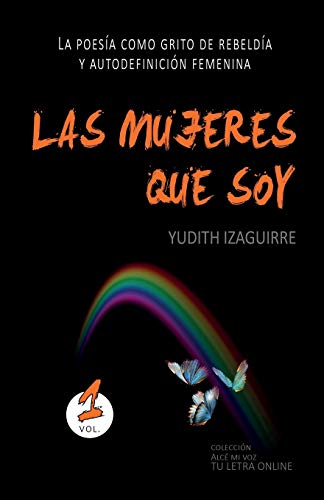
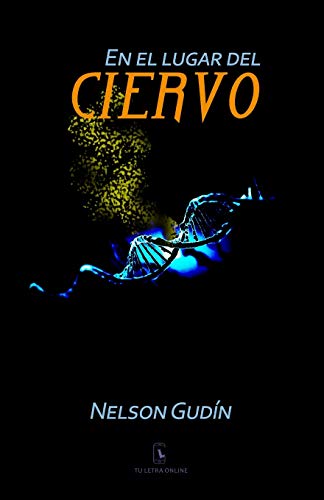
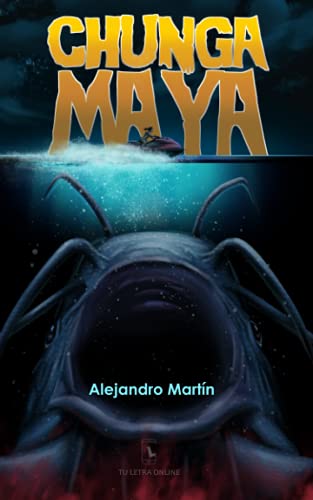
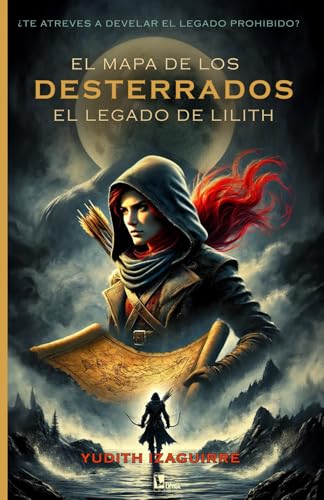
At Tu Letra Online, we're interested in how a work finds its readers. A fair lets us see that process up close, but its impact depends on what follows: clear information on where to find the titles, recommendations that keep circulating and opportunities to talk about what's been read. Once the program ends, the task will be to nurture the connections that began there.
That conversation has another stop ahead in Florida: the Second Tampa International Book Fair. Alberto Sicilia Martínez linked its promotion to the presentation of Vicente Castro Morales's mural dedicated to Ybor City. At that gathering, he introduced “Tampa en tus manos,” a platform to support the fair and connect community initiatives. Announcement by Alberto Sicilia Martínez.
From New York to Tampa, every city has its stories and its ways of bringing writers and readers together. We want to follow that path: how gathering around a mural can start a conversation about books, and how a fair can lead to further reading, collaborations and shared projects.
What has kept you reading an author you discovered at a fair?
What would you like to find at the Tampa Book Fair?
How could these gatherings connect writers working in Spanish with readers in your community?
We'd love you to share your experiences, suggest ideas and disagree respectfully.
- FILNYC
- Nueva York
- literatura en español
- edición independiente
- lectura
- literatura infantil y juvenil
- II Feria del libro en Tampa