Whose words are they? Publishers challenge Meta’s new terms
A writer finishes a book, a publisher brings it out, and both turn to social media to find readers. They set up a Facebook page, announce new releases on Instagram and keep in touch with their community. But what if those platforms’ business terms could also let the platforms access content elsewhere, on the publisher’s own website?
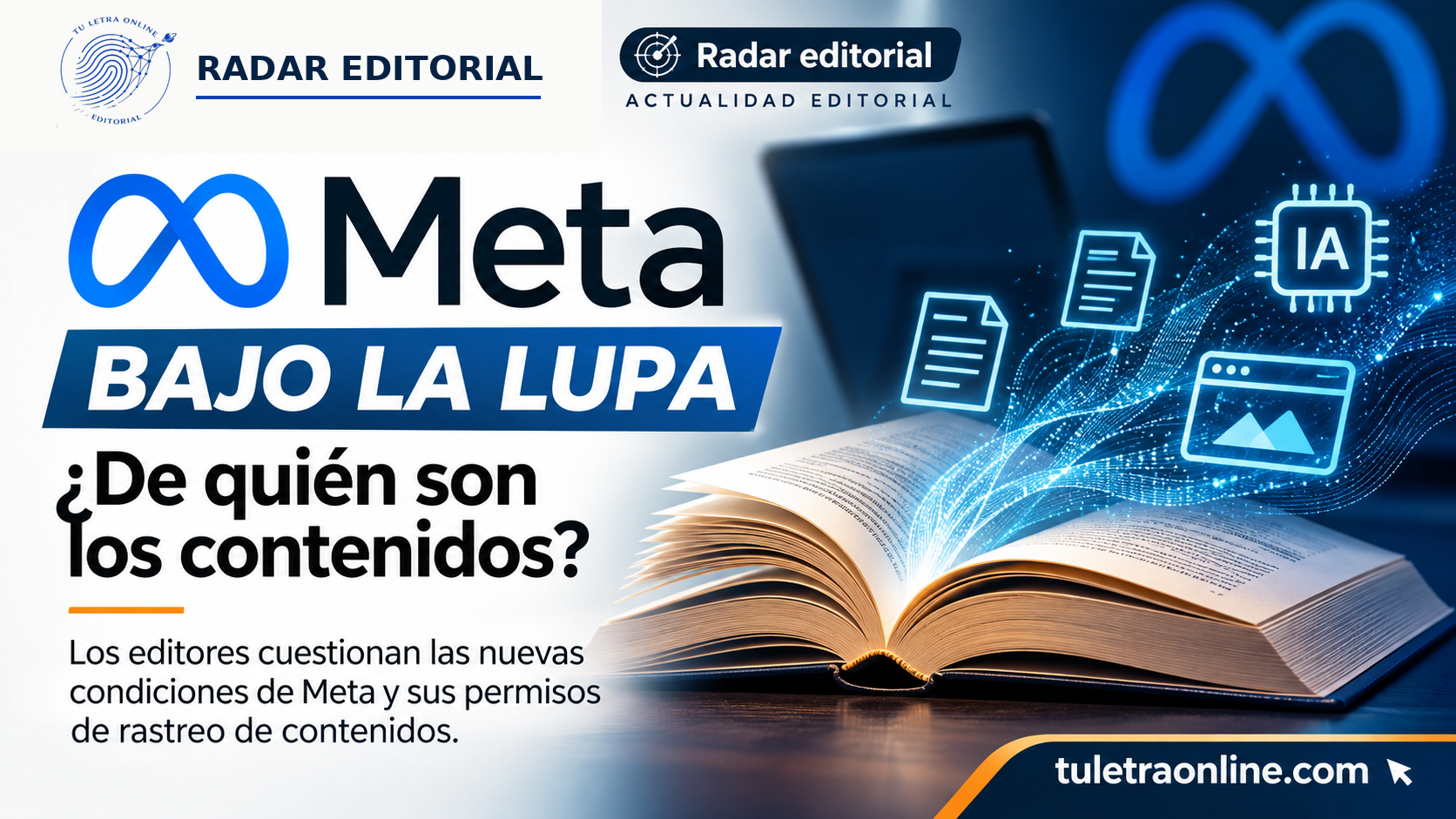
That question has brought Meta into conflict with several publishing industry organisations. The dispute isn’t just about artificial intelligence. It concerns who can authorise the use of a work, and on what terms.
The clause that raised the alarm
In October, Nieman Journalism Lab examined an update to Meta’s business terms that provided broad permissions for automated crawling of websites connected with its business users’ activities.
The original wording referred to developing, improving and training Meta products. On 16 October, the company removed the explicit reference to training and narrowed the stated uses to advertising and business products.
Yet experts consulted by Nieman warned that language such as ‘developing’ business products could still be interpreted broadly. This doesn’t establish that Meta has used any particular work to train a model, nor does it amount to a court ruling on the clause’s scope.
Publishers push back
On 28 October, the Association of American Publishers (AAP) publicly called on Meta to withdraw its new business terms. Its president, Maria A. Pallante, challenged the breadth of the permissions sought from those using the platform’s business services.
The News/Media Alliance had also called for the change to be put on hold and for more specific terms to be negotiated. These organisations object to linking a business relationship needed to promote content with permissions to use material on external websites.
Published content represents creative work, investment and rights. Making it available online doesn’t, in itself, give blanket permission for any use.
Meta’s response
Meta says the update is intended to consolidate and simplify its business terms, without changing its crawling practices. It also says website owners can continue to use the robots.txt file to communicate their access preferences to crawlers.
This mechanism lets website owners issue technical instructions, but it doesn’t settle every question about contractual permission, intellectual property or subsequent use.
In response to the objections, Meta postponed the terms’ effective date from 30 October to 20 November 2026 and said it was willing to talk to industry representatives. As of 2 November, the dispute remained unresolved.
Finding a book isn’t the same as using it
Search and indexing systems help readers discover novels, interviews and catalogues. But finding a work, collecting its content and using it to develop commercial products are different activities, with different legal implications.
AI training adds another layer of complexity: a work can influence a system without being reproduced word for word in its responses. That possibility doesn’t automatically establish infringement, but neither does it remove the questions about licensing, legal exceptions and consent.
The debate calls for clarity about what permissions have been granted, how content is actually being used and which laws apply.
Independent publishers and the platforms
Large publishers often have the resources to negotiate contracts and licences. Small publishers, by contrast, have fewer people to handle promotion, distribution and rights.
Publishers should therefore regularly review the terms of the digital services they use, check which content is publicly accessible, examine technical access controls and establish which rights each author has granted.
Not everything in a publication necessarily belongs to the same rights holder: texts, translations, illustrations and photographs may each require different permissions.
Where Tu Letra Online stands
For Tu Letra Online, artificial intelligence offers opportunities to support proofreading, improve accessibility, streamline publishing processes and find new readers. But innovation and permission aren’t at odds.
A useful technology also needs clear rules that respect the creative work it draws on. Defending copyright doesn’t mean rejecting new licensing models; it means insisting on terms that are understandable and open to negotiation.
The challenge is to build relationships in which platforms explain what content they need, how they will use it and what options rights holders have to accept, limit or refuse those uses.
An open conversation
The next date to watch is 20 November, but there’s no guarantee it will bring a solution. The question goes beyond Meta: can the need to reach readers become broad permission to use content from outside a platform?
Should publishers negotiate access terms collectively? What mechanisms would protect authors’ rights without making their work harder to discover? How could a small publisher take part in those negotiations?
We invite authors, readers, publishers and technology professionals to share their experiences and arguments, and to disagree respectfully.
- meta
- derechos de autor
- inteligencia artificial
- industria editorial
- propiedad intelectual
- edición independiente
- plataformas digitales